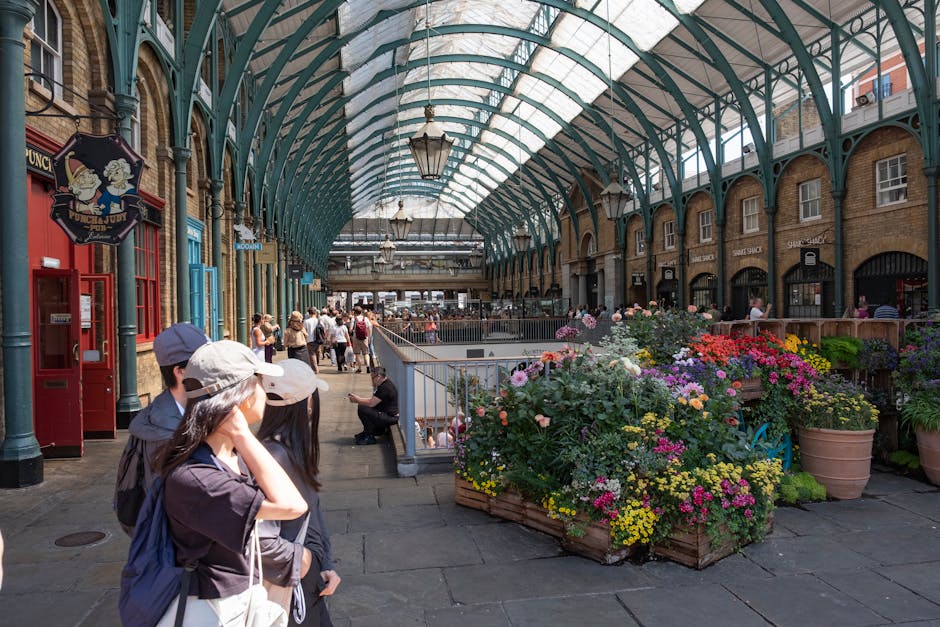
Spitalfields Market gardeners guide for Aldgate flat terraces
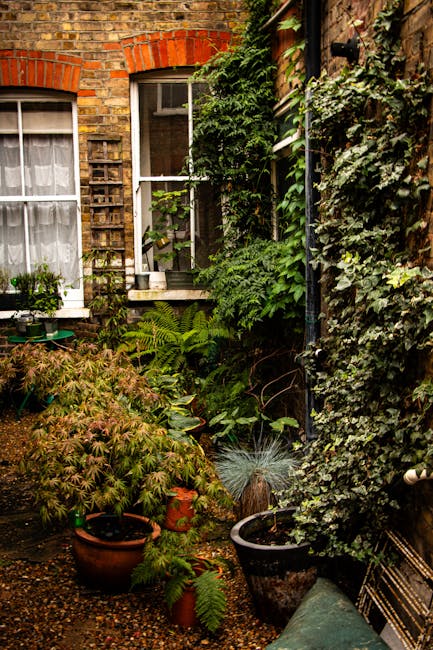
If you live in a flat terrace around Aldgate or near Spitalfields Market, you already know the odd little challenge of urban gardening: narrow access, windy corners, awkward light, and neighbours who may love your plants almost as much as you do. This Spitalfields Market gardeners guide for Aldgate flat terraces is built for that reality. It explains how terrace planting, maintenance, and small-space landscaping work in practical terms, what makes these gardens succeed, and where people usually go wrong. A good terrace garden does not need to be big. It needs to be thought through.
Truth be told, the best results usually come from simple decisions made well: the right containers, the right planting mix, a maintenance rhythm that fits city life, and a plan for wind, shade, and drainage. If you want a tidier, greener outdoor space without turning it into a part-time job, you are in the right place.
Why Spitalfields Market gardeners guide for Aldgate flat terraces Matters
Flat terraces in Aldgate tend to share the same set of constraints: limited floor area, exposed edges, hard surfaces that reflect heat, and access that can be a bit of a faff when you are carrying compost bags or dismantling old planters. In and around Spitalfields, outdoor space is often precious rather than plentiful. That changes the way gardening should be approached.
A terrace garden is not just decoration. It can soften an apartment, improve privacy, create a calmer feel after a noisy day, and make the space genuinely usable. A single well-placed planter can change how a balcony or terrace feels at 7pm on a summer evening. You notice the difference straight away.
For anyone looking at gardeners in East London or comparing maintenance options, the real question is not "Can this space be gardened?" but "How do we make it work safely, neatly, and without constant stress?" That is where local knowledge matters. A terrace near Spitalfields Market may have more foot traffic, more particulate dust, more shade from surrounding buildings, or stronger gusts between rooftops than a suburban garden would. Small details, big effect.
It also matters because rushed maintenance on terraces can lead to avoidable issues: water pooling, stained paving, unstable pots, brittle plants, and clutter that creeps in before you know it. The right approach is part design, part horticulture, and part practical housekeeping.
Expert summary: Terrace gardening in Aldgate works best when you treat the space like a small outdoor room. Every pot, plant, and pathway needs a purpose, or it simply becomes visual noise.
How Spitalfields Market gardeners guide for Aldgate flat terraces Works
In simple terms, the guide helps you move from "I have a terrace" to "I have a terrace that actually functions." That usually happens in three stages: assess the site, design around the constraints, and keep the maintenance realistic.
1. Assess the terrace properly
Start with what the space gives you, not what you wish it gave you. Look at:
- sun and shade through the day
- wind exposure at roof level
- how water drains after rain
- how much weight the surface already carries
- access for carrying materials in and out
- how much privacy you want from neighbouring windows
That first step sounds obvious, but it saves a lot of trouble later. A sunny south-facing terrace and a shaded courtyard-style terrace need completely different planting plans. Same postcode, different game.
2. Choose plants and structure around the microclimate
Urban terraces can be surprisingly harsh. Wind dries compost faster. Reflective brick and paving can overheat roots. Shade from taller buildings can limit flowering. So the planting scheme needs to be resilient, not just pretty.
Good terrace planting often uses a blend of:
- evergreen structure for year-round shape
- seasonal colour for interest
- trailed or softening plants to reduce the hard lines of a terrace
- fragrant herbs or compact edibles for a useful touch
It is not about stuffing the space. It is about balancing it.
3. Build a maintenance rhythm that fits real life
Many terrace gardens fail because they are designed as if somebody has endless time. Nobody does. A realistic maintenance plan might include watering checks, deadheading, light pruning, container rotation, and seasonal tidy-ups. If you work long hours or travel often, the garden should be designed to cope with the gaps.
For that reason, many Aldgate residents pair their planting with garden maintenance support and periodic help from a local team familiar with compact city plots. That is often more efficient than trying to rescue a tired terrace every few months.
Key Benefits and Practical Advantages
A well-managed terrace garden offers more than a nicer view. Here are the benefits people usually feel first.
- Better use of space: even a small terrace becomes usable for sitting, reading, or entertaining.
- More privacy: layered planting and screening can soften sightlines from nearby flats.
- Less visual clutter: structured planting makes hard surfaces feel calmer.
- Improved comfort: plants can reduce harsh glare and create a more sheltered feel.
- Seasonal interest: the space changes with the year instead of looking identical in every month.
- Lower stress maintenance: when the layout is sensible, upkeep becomes quicker and less frustrating.
There is also a subtle but important advantage: a good terrace garden can make a flat feel more finished. Not just dressed up. Finished. That difference matters when you live in the space every day.
If your terrace currently holds a few tired pots, a folding chair, and a bucket you meant to move last month, you are not alone. Most urban outdoor spaces start like that.
Who This Is For and When It Makes Sense
This guide is useful if you are any of the following:
- a flat owner wanting a more polished outdoor area
- a tenant hoping to improve a terrace without major works
- a landlord preparing a rental property for better presentation
- a homeowner with a terrace that has become overgrown or neglected
- someone comparing whether to DIY the job or bring in professional help
It also makes sense if you have already tried a few plants and nothing stuck. That usually is not a sign you are bad at gardening. More often, the site conditions were ignored. Windy terrace? Wrong plants. Deep shade? Wrong plants again. Too little drainage? Now you are battling the space itself.
In practice, it is worth considering professional help when:
- the terrace needs a redesign rather than a quick tidy
- heavy pots or old materials need removal
- you want planting that will survive London weather swings
- there are safety concerns around loose materials or unstable planters
- you simply want the space to look consistently cared for
For broader support, it can be useful to review a local provider's full range of work through the services overview, especially if your terrace project may also need planting, clearance, pruning, or structural improvements.
Step-by-Step Guidance
Here is the practical route most successful terrace projects follow. It is not fancy. It works.
Step 1: Clear and measure the space
Take everything out if you can. Old pots, cracked trays, leftover compost, broken canes, the lot. Once the terrace is clear, measure the usable area and note any awkward corners, utility access points, or drainage outlets. A clean start shows you the real footprint of the space.
If the area is crowded with debris or abandoned items, a proper garden clearance can save time and prevent accidental damage while you plan the layout.
Step 2: Decide the purpose of the terrace
Ask yourself one blunt question: what do I actually want this space to do? Sit and relax? Screen neighbouring windows? Grow herbs? Host a couple of friends? The answer affects everything from pot sizes to furniture placement.
Terraces that try to do everything often do nothing well. Better to have a space that does two or three things properly.
Step 3: Match plants to conditions
Choose plants based on light, wind, and maintenance level, not just looks. A sunny terrace can support more flowering options, while a shaded one may need foliage plants and shade-tolerant structure. If wind is a problem, choose sturdier species and keep the tallest items in sheltered positions.
As a rule, terrace gardens work best when the backbone is reliable. Add flair later. You want the garden to survive Monday, not just impress on Sunday.
Step 4: Build layers rather than clutter
Use a mix of heights: floor planters, railing-height screening, and a few smaller containers. This creates depth without making the terrace feel cramped. One or two strong statements usually look better than six competing features.
Where the terrace needs hard landscaping elements, such as raised platforms or a seating zone, landscaping or landscape gardening advice can help you avoid poor drainage and awkward layouts.
Step 5: Set up irrigation and watering habits
Container plants dry out faster than plants in open ground. That is one of the biggest shocks for people moving into terrace gardening. In warm weather, a daily check may be needed. In cooler months, every few days may be enough. The exact rhythm depends on pot size, plant type, and exposure.
Self-watering planters, saucers, or discreet irrigation lines can help. If you go fully manual, keep the watering can near the door so it is easy, not an afterthought.
Step 6: Maintain and reset seasonally
Terrace gardens need a reset. Spring for replanting and inspection. Summer for watering and deadheading. Autumn for tidying, cutting back, and checking pots before winter weather arrives. Winter is the time for protecting vulnerable plants and keeping the space safe and uncluttered.
A sensible seasonal cycle keeps the terrace looking intentional, not abandoned. Small thing, huge difference.
Expert Tips for Better Results
These are the little things that tend to separate a decent terrace from one that quietly thrives.
- Use heavier pots for exposed spots. Light containers can tip in strong wind. Not ideal, and slightly annoying in the worst way.
- Choose quality compost. Cheap compost often breaks down too fast in containers and struggles to hold moisture.
- Leave walking space. If you cannot move around comfortably, the terrace becomes difficult to use and harder to maintain.
- Group plants by water needs. It makes care simpler and reduces the chance of overwatering or neglect.
- Think about winter first. If a planting scheme only looks good in July, it is unfinished.
- Use fragrance sparingly but deliberately. One scented herb cluster near seating is lovely. Too many competing scents can feel messy.
One small trick that works well: stand in the terrace doorway at dusk and look at the space as if you are seeing it for the first time. What is actually visible? What feels too busy? What catches your eye for the wrong reason? That view often tells the truth.
And yes, there is always one pot that wants to be in the wrong place. We have all had that pot.
Common Mistakes to Avoid
Most terrace problems are predictable. The good news is they are also fixable.
1. Buying plants before understanding the site
This is the classic mistake. A plant that looks perfect in a nursery can flop quickly on a windy, shaded terrace. Always match the plant to conditions first.
2. Overcrowding the space
People often buy one planter too many. Then another. Then a chair disappears behind them. The terrace starts to feel smaller, not greener. Leave breathing room.
3. Ignoring drainage
Containers without proper drainage can lead to root problems and standing water. In a flat terrace setting, that can also mean messy runoff. Not the mood anyone wants.
4. Choosing fragile materials
Thin pots, unstable screens, and cheap fixings can fail quickly outdoors. On exposed terraces, durability matters more than novelty.
5. Forgetting maintenance access
If you cannot reach the back of a planter, it will become a dead zone. Design with access in mind from the start.
6. Treating the garden like a one-off project
Terrace spaces are living systems. They need small, regular interventions. A bit of attention each month is far better than a heroic rescue mission later.
For ongoing upkeep, many people prefer a steady schedule of lawn mowing where relevant to shared ground spaces, plus terrace-specific maintenance for container planting and surfaces. If hedging or screening is part of the layout, hedge trimming may also be useful to keep light and shape under control.
Tools, Resources and Recommendations
You do not need a shed full of kit. But a few practical tools make terrace gardening much easier.
Useful tools
- watering can with a narrow spout
- secateurs for light pruning and deadheading
- gloves with a decent grip
- small hand fork and trowel
- plant ties or soft twine for support
- moisture-retentive compost for containers
- lightweight but sturdy plant supports
Smart support services
When the job goes beyond routine care, it helps to use the right service for the right problem. A terrace needing regular upkeep may suit ongoing maintenance. If the area has become cluttered or the plan needs a fresh start, clearance may be the first step. For more structural improvements, decking services can create a cleaner, more usable surface, though only when the space and building conditions justify it.
It is also worth checking practical company information before you book. Pages like pricing and quotes, insurance and safety, and the recycling and sustainability approach can tell you a lot about how a service operates. That is the sort of detail people often skip, then regret later.
Law, Compliance, Standards, or Best Practice
For terrace gardens, the most important point is not legal complexity; it is sensible practice. That said, there are a few things worth keeping in mind.
- Building and access considerations: avoid overloading terraces with very heavy planters or materials unless you have proper confirmation that the space can handle it.
- Shared access and neighbours: keep work tidy, avoid blocking common areas, and respect noise and timing expectations in apartment settings.
- Plant safety: avoid thorny, unstable, or highly messy plants if the terrace is used frequently by children, guests, or pets.
- Work at height: any pruning, fixing, or maintenance near edges should be done carefully and professionally where needed.
- Waste handling: garden waste should be removed and recycled responsibly where possible.
Best practice in London flats is usually about avoiding nuisance and keeping things safe, clean, and structurally sensible. If a project involves significant pruning or removal, a service such as tree lopping and removal may be relevant, but only where genuinely needed and suitable for the site.
Also, if you are hiring help, it is reasonable to ask how they handle safety, disposal, and payment security. That is normal due diligence, not being awkward. Frankly, it is the sensible thing to do.
Options, Methods, or Comparison Table
There are several ways to approach an Aldgate flat terrace. The right one depends on how much time, budget, and control you want.
| Approach | Best for | Pros | Trade-offs |
|---|---|---|---|
| DIY refresh | Small tidy-ups and a few planters | Lower cost, full control, immediate start | Easy to overbuy plants or underplan maintenance |
| Guided planting plan | People who want better structure without major works | More coherent layout, better plant choices | Needs some time and decision-making |
| Full professional makeover | Neglected terraces or spaces needing a complete reset | Efficient, polished result, less stress | Higher upfront spend and more coordination |
| Ongoing maintenance contract | Busy residents and landlords | Consistency, easier upkeep, fewer surprises | Requires trust and regular scheduling |
In many real cases, the best answer is a mix. A professional helps shape the terrace, then the resident handles light care between visits. That tends to work well for busy city life.
Case Study or Real-World Example
Here is a realistic example based on the sort of terrace many people have in this part of London.
A couple moved into a flat near Aldgate with a small terrace that looked better in photos than in real life. It had two cracked pots, some tired herbs, and a patch of paving that stayed damp after rain. The space was usable, but just. They wanted somewhere to sit after work without feeling boxed in.
The first step was a full clear-out. Old pots were removed, the terrace was cleaned, and the layout was measured. Then the planting plan was simplified: one screening planter for privacy, two medium containers for structure, and a small herb area close to the door. A shade-tolerant evergreen provided year-round backbone, while softer flowering plants gave colour without making the terrace feel crowded.
The biggest win was not dramatic. It was practical. Watering became easier because the pots were grouped properly. The corner that used to look damp and forgotten now had a purposeful, neat finish. By the next evening light, the terrace felt like part of the flat rather than a space outside it.
That is often how good garden work feels. Not flashy. Just quietly better, every day.
Practical Checklist
Use this checklist before starting or improving a terrace garden.
- Measure the full usable space
- Check sun, shade, and wind exposure
- Inspect drainage and standing water points
- Remove broken pots, dead plants, and unused clutter
- Decide what the terrace should mainly do
- Choose plants that fit the real conditions
- Keep pathways and access clear
- Group plants with similar watering needs
- Use stable, weather-appropriate containers
- Plan a simple maintenance routine you can actually keep
- Review whether clearance, maintenance, or landscaping help is needed
- Confirm safety, insurance, and payment details before hiring anyone
If you can tick most of those boxes, you are already ahead of the curve. Honestly, that is half the battle.
Get a free quote today and see how much you can save.
Conclusion
Aldgate flat terraces can be compact, tricky, and a little demanding, but they are also full of potential. With the right structure, realistic maintenance, and a planting plan that respects the local conditions around Spitalfields Market, even a small outdoor area can become one of the best parts of your home.
The key is not to overcomplicate it. Start with the space you have. Clear it properly. Choose resilient planting. Keep the layout calm. And if the job needs more than a quick tidy, bring in help that understands urban garden work and the realities of terrace living. A good terrace should feel easy to use, easy to enjoy, and easy to keep looking decent. That is the sweet spot.
And once it is done, you will probably find yourself lingering outside a bit longer than expected, coffee in hand, just enjoying the quiet. Not bad for a small terrace, really.
Frequently Asked Questions
What is the main purpose of a Spitalfields Market gardeners guide for Aldgate flat terraces?
Its main purpose is to help people turn small, exposed, or awkward terrace spaces into practical and attractive outdoor areas. It focuses on real-life conditions such as wind, shade, drainage, and limited access.
Do flat terraces in Aldgate need different gardening methods from house gardens?
Yes. Terrace gardens usually rely more on containers, lightweight planning, and careful plant selection. They also need more attention to wind exposure, drainage, and space efficiency than ground-level gardens.
What plants usually work best on a terrace near Spitalfields Market?
Plants that cope well with containers, variable light, and urban conditions are usually best. Evergreen structure, compact flowering plants, herbs, and hardy foliage plants are often a good starting point.
How often should a terrace garden be maintained?
That depends on the plants and the season, but most terrace gardens benefit from small checks every few days and more deliberate maintenance each month. In warmer weather, watering can become a daily job.
Is professional help worth it for a small flat terrace?
Often, yes. Even a small terrace can need proper planning, clearance, planting, or pruning. Professional help is especially useful if the space is cluttered, poorly draining, or difficult to access.
What is the biggest mistake people make with terrace gardens?
Buying plants before checking the conditions. A terrace may look inviting, but wind, shade, and heat can be very different from what the plant label suggests. Site first, plants second.
Can a terrace garden improve privacy?
Yes. With the right screening plants, planters, or layered layout, a terrace can feel much more private without needing heavy structures. The trick is to keep the arrangement balanced rather than blocked in.
Do terrace planters need special drainage?
They do. Good drainage is important because containers dry out and saturate differently from open soil. Without it, roots can suffer and water may pool on the surface.
How do I know whether I need clearance or maintenance first?
If the terrace is full of old items, broken pots, or debris, start with clearance. If the layout is mostly fine but plants are tired or untidy, maintenance may be enough. Sometimes you need a bit of both.
What should I ask before hiring a garden service for a terrace?
Ask about their experience with small urban spaces, how they handle safety and waste removal, what the quote includes, and how they approach ongoing upkeep. It is also sensible to check insurance and payment details.
Can a terrace garden work in a shady flat?
Absolutely. Shade changes the plant palette, but it does not rule out a good result. Foliage-led designs, texture, and structural planting often work very well in lower-light terraces.
How do I keep a terrace garden from feeling crowded?
Use fewer but better-placed containers, keep walkways clear, and choose plants with a clear role. If everything is trying to be the star, the terrace will feel cramped. Simpler usually wins.